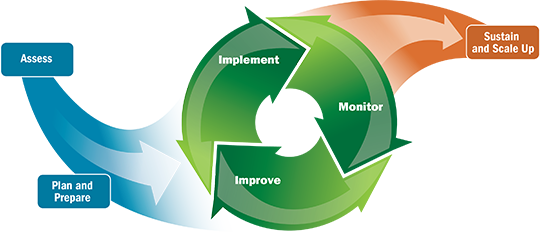
Understanding the essential components of MTSS is an important part of its implementation, but research suggests effective implementation is a major challenge for educators. Successful implementation of MTSS demands ongoing planning, continuous improvement, and sustaining and expanding efforts. Teams must examine current capacity and readiness, develop plans for ongoing professional learning, create structures and processes, conduct ongoing evaluation and review of implementation to inform continuous improvement, and engage stakeholders as partners in the work.
Click on the phases below to find tools and resources to support planning for success, implementation, and sustaining and expanding implementation.
Phase 1: Plan for Success
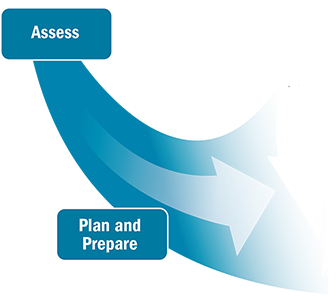
During the planning phase, a leadership team builds the infrastructure necessary to implement MTSS. Activities at the phase may include conducting a needs assessment, identifying priorities, establishing a vision for MTSS, inventorying resources, developing implementation and evaluation plans, and selecting valid assessments and evidence-based practices (e.g., instructional materials, interventions, assessments, etc). Professional learning focuses on building staff buy-in and staff capacity to implement the four essential MTSS components. The tools in this section will help you to plan for success.
Conduct Needs Assessment
Assess current implementation by administering a schoolwide measure, interviewing staff, and examining student outcome data.
Develop Collaborative Vision
Build understanding and support for MTSS among staff:
Playing the Long Game of Successful MTSS Implementation
Define Framework and Select Evidence-based Practices
Define components and processes for staff. Clarify guidance and expectations for MTSS. Review and revise or select practices and assessments.
Is What is Multi-Tiered System of Supports (MTSS)?
Multi-Tiered System of Supports Within Schools: The What and The How
Is MTSS/RTI really that complicated? Let’s get back to basics!
Early Warning Intervention and Monitoring System Implementation Guide
Develop Implementation and Evaluation Plan
Outline implementation plan that includes training and coaching. Clarify goals and evaluation metrics.
Multi-Tiered System of Supports Within Schools: The What and The How
Supporting MTSS: Avoiding Common Barriers to Implementation
Fidelity First: The Key to Unlocking MTSS
Contextual Factors of Implementation Planning Template for Middle Schools
Phase 2: Implement
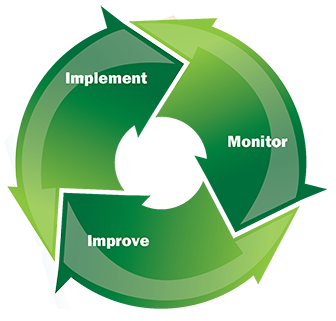
During this phase of implementation of MTSS, staff implement the processes, assessments, and practices identified and developed during Phase 1. Monitoring fidelity of implementation is critical at this phase, as leadership works toward implementation of the processes and practices. Further, leadership should identify and address barriers to implementation through regular meetings and problem solving. Ongoing professional learning focuses on improving staff’s use of data, increasing quality of instruction, and refining fidelity of the four essential components. The tools in this section can help leadership teams support staff as they implement the MTSS components with fidelity.
Training and Coaching
Provide initial and ongoing training, paired with ongoing, job-embedded coaching.
MTSS School-Based Professional Development
Improving Your MTSS: Five Questions You Should Ask
Coaching for Ongoing Professional Learning within Tiered Support Models
Effective Practices for Coaches Self-Paced Training Module
Defining Effective Coaching Practices to Support Teachers and Improve Student Outcomes
Infrastructure
Build infrastructure to support implementation so staff can gather the necessary data and use the selected practices to support students.
MTSS Infrastructure and Support Mechanisms
Strategies for Scheduling: How to Find Time to Intensify and Individualize Intervention
Evaluation
Evaluate implementation of MTSS, including the overall system and the specific processes and practices used.

Phase 3: Sustain and Expand
In this phase, leadership engages in continuous improvement activities as they evaluate the impact of MTSS. The focus of these activities is to improve the efficacy and efficiency of MTSS implementation, but also to address the evolving needs of staff, students, and state and federal demands. Leadership continues to build infrastructure and align existing systems to ensure staff can sustain full MTSS implementation, even when faced with staff turnover and changing priorities. It is important that teams focus on sustaining and expanding MTSS implementation through ongoing data analyses and partner engagement. The tools in this section will help you refine and expand implementation through a continuous improvement process.
Evaluate for Outcomes
Continue to evaluate fidelity, but examine progress toward defined goals and overall implementation.
Tier 1: Data Protocol to Develop a Grade-Level Instructional Plan
Evaluate for Continuous Improvement
Gather ongoing data to improve procedures and resolve barriers that arise.
Supporting MTSS: Avoiding Common Barriers to Implementation
Going beyond the basics: Using feedback to support MTSS implementation